Public Impact
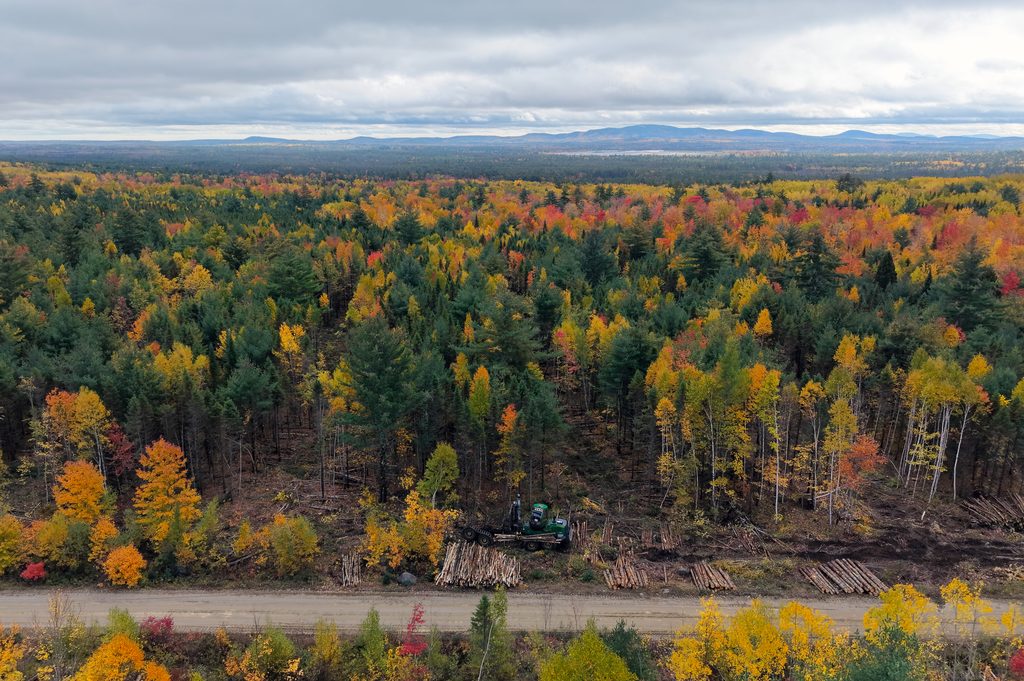
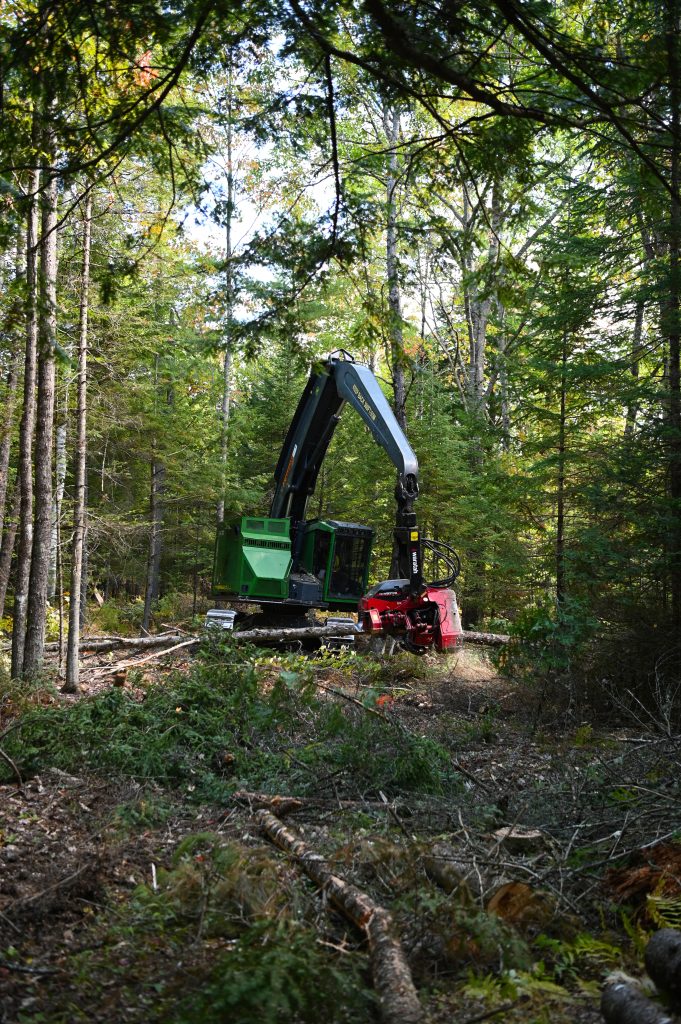
Across the Northeast, professional loggers help steward the region’s forests through responsible management practices that improve forest health, support wildlife habitat, and increase resilience to insects, disease, and natural disturbances. Sustainable forestry keeps forests growing, thriving, and working for future generations.
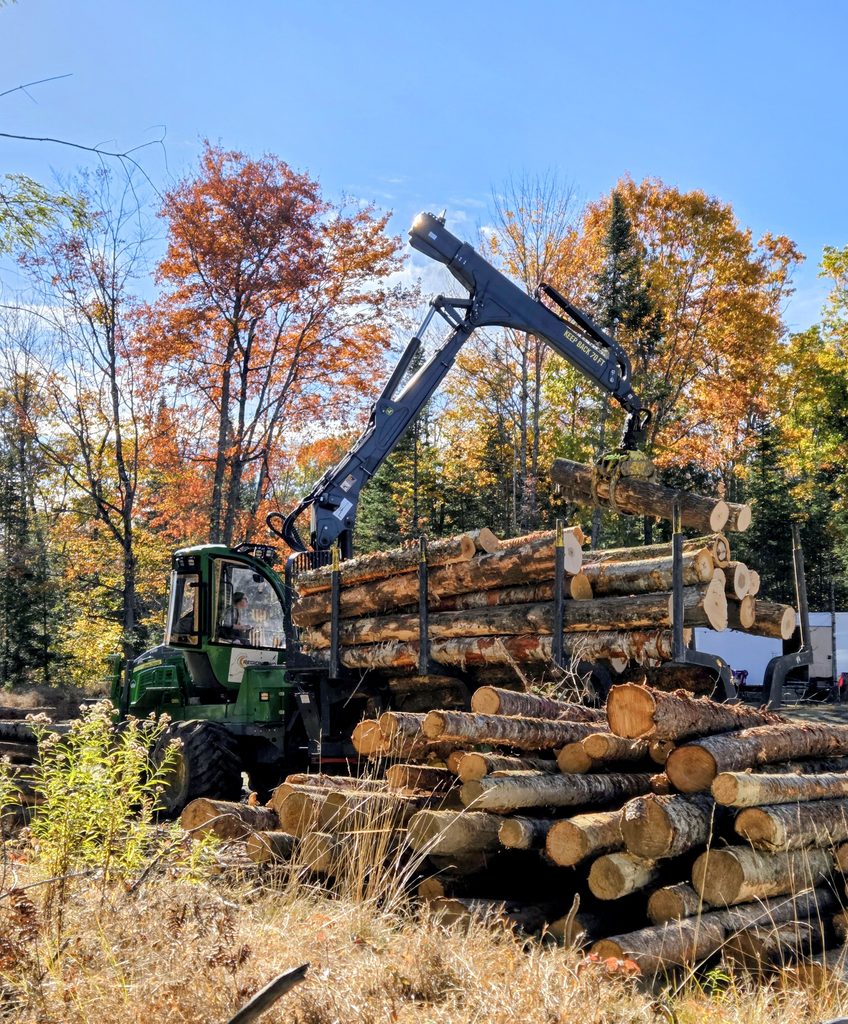
The benefits extend far beyond the woods. Logging and forest trucking support thousands of family-sustaining jobs, strengthen rural economies, and supply the renewable forest products that people use every day. From local contractors and truck drivers to mills and manufacturers, forestry remains an important part of the Northeast’s economy and way of life.
The people behind this work are more than forestry professionals. They are neighbors, community members, and families who care deeply about the land. Their commitment to responsible forest management delivers lasting benefits for our forests, our communities, and the public, ensuring that the Northeast’s working forests continue to provide environmental, economic, and social value for generations to come.
Economic Impact of Logging and Trucking Across the Northeast
Loggers are a vital part of the Northeast’s forest products sector and important contributors to the rural economies of states in the region.
In 2024 in the Northeast, logging and trucking contributed $1.3 billon to the regional economy.
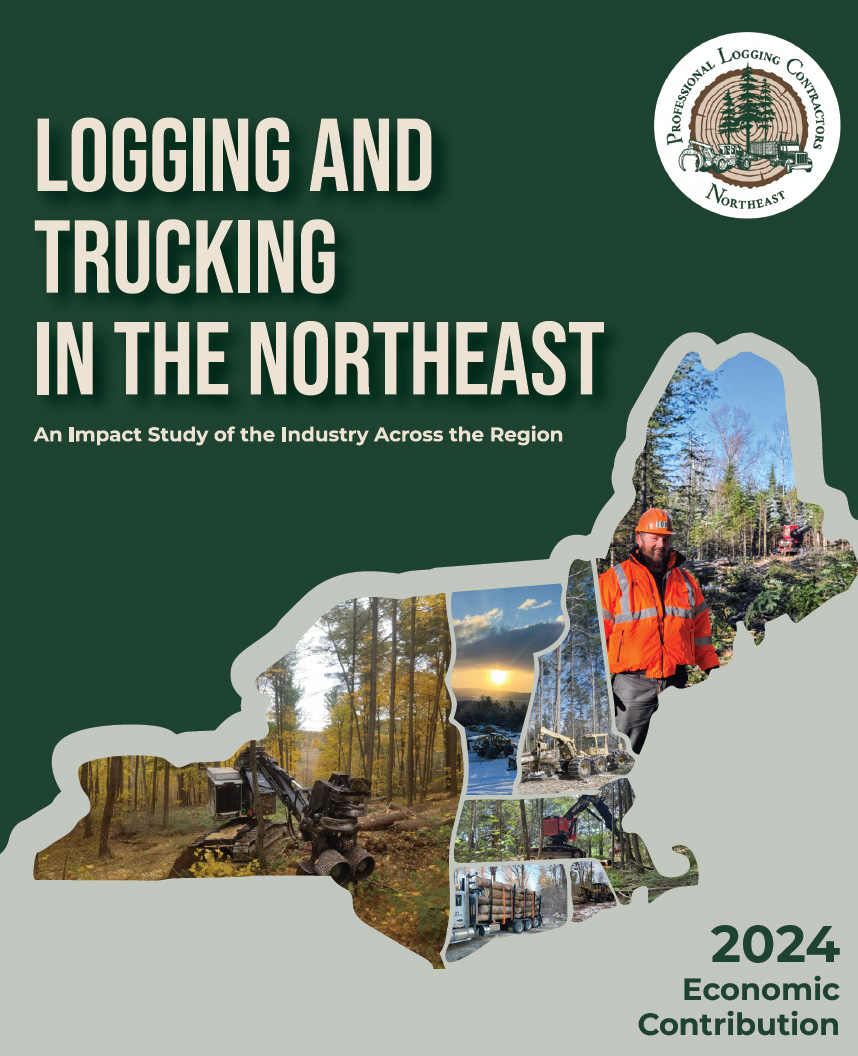
2026 Northeast Logging and Trucking Economic Impact Study
The Northeast’s logging and forest trucking industry is a major economic driver, contributing $1.3 billion annually, supporting more than 10,500 jobs, and generating millions in tax revenue. The 2024 Economic Impact Study highlights these contributions while examining challenges such as workforce shortages, rising costs, and shrinking markets that could impact the future of the forest products industry. Read the full report below.
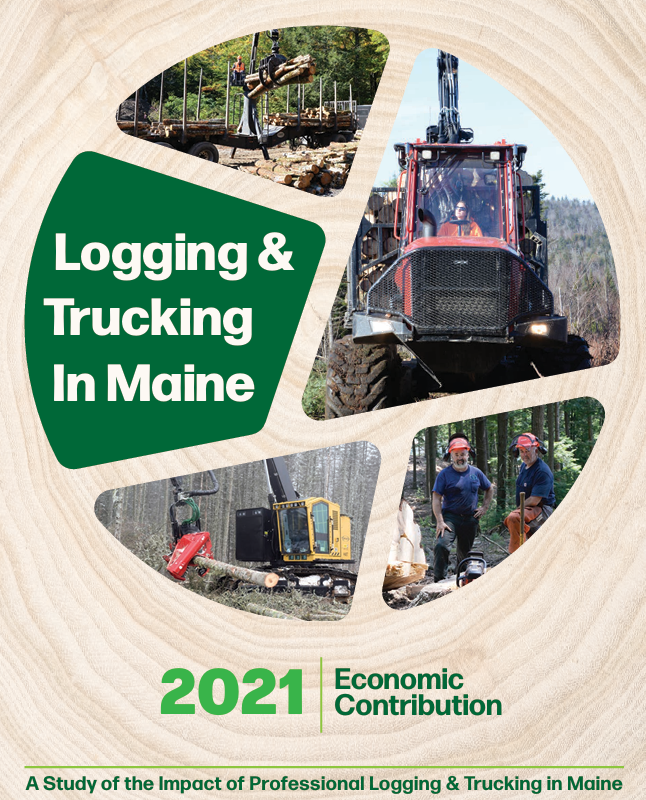
2023 Maine Logging and Trucking Economic Impact Study
Maine’s logging and forest trucking industry is a major economic driver, contributing $582 million annually, supporting more than 5,500 jobs, and generating approximately $27 million in state and local taxes. The Economic Impact Study highlights these contributions while examining challenges such as workforce shortages, rising operating costs, mill closures, and market uncertainty that could impact the future of Maine’s forest products industry. Read the full report below.
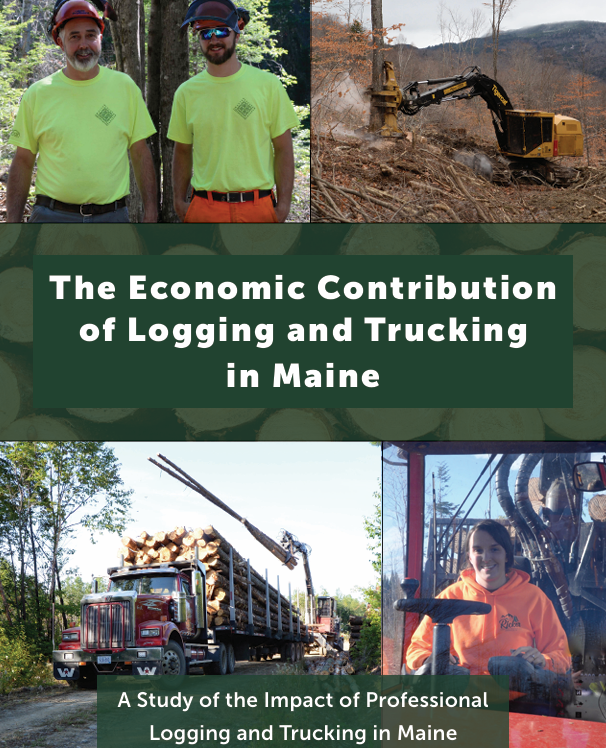
2020 Maine Logging and Trucking Economic Impact Study
Maine’s logging and forest trucking industry is a major economic driver, contributing $619 million annually, supporting more than 9,000 jobs, and generating approximately $25 million in state and local taxes. The Economic Impact Study highlights these contributions while examining challenges such as an aging workforce, rising equipment costs, and market pressures that could impact the future of Maine’s forest products industry. Read the full report below.
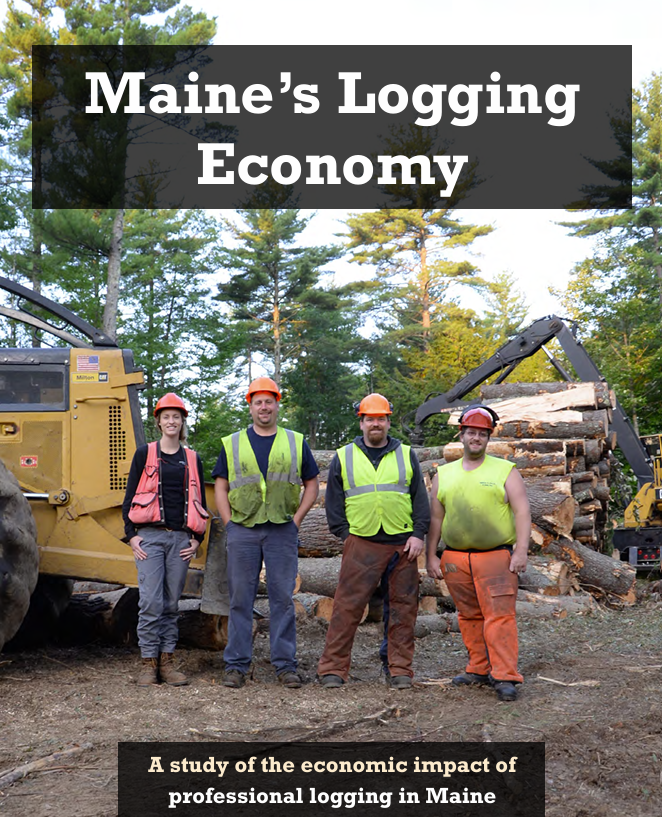
2017 Maine Logging and Trucking Economic Impact Study
Maine’s logging industry was a major economic driver in 2014, generating $882 million in economic impact and supporting more than 7,300 jobs. The Economic Impact Study highlights these contributions while examining factors such as mechanization, workforce development, trucking, biomass markets, and forest management that helped shape the future of Maine’s forest products industry. Read the full report below.
Environmental Impact
Healthy forests don’t happen by accident. Working forests support wildlife habitat, store carbon, provide renewable resources, and sustain rural communities. Behind that work are professional loggers and forest truckers who play a critical role in managing forests for the future.
72%
more forest growth per year than what is harvested
1.59B
Metric Tons of carbon stored
65+
wildlife Species depend on young forest habitat
91%
Emmissions offset by natural & working lands
Environmental Impact Articles
-
Five Weeks After Finch: The Questions We Should Be Asking
Five weeks have passed since Finch Paper announced it would end pulp production at its Glens Falls facility and begin sourcing pulp from outside suppliers. For generations, independent logging contractors supplied the mill with pulpwood harvested from forests across the Northeast. Historically, between 55 and 60 log trucks arrived at the mill each day, totaling roughly 20,000…
-
Innovation Starts in the Woods
The University of Maine’s recent announcement of a $20 million federal investment in Maine’s Forest Bioproducts Advanced Manufacturing Tech Hub is welcome news for Maine’s forest economy. The initiative aims to accelerate the development of advanced forest products, including innovative building materials, wood-based packaging, and alternative aviation fuels. These investments have the potential to create…
-
Our Forests Are Changing. The Conversation About Forest Management Should Change Too.
For generations, many people have viewed logging as one of the primary threats to our forests. It’s an idea rooted in the perception that cutting trees is harmful to the forest and the best way to protect a forest is simply to leave it alone. But a growing body of research is telling a different…