Op-Ed: Fix Our Forests Act
By Dana Doran, Executive Director, Professional Logging Contractors of the Northeast
On March 17, an article ran in Vermont Digger titled Is Fix Our Forest Act a fix or a free pass for loggers? I would like to answer the question posed by that headline – it is indeed a fix and in no way a “free pass” for loggers.
The article and others have also noted Vermont Senator Peter Welch has drawn substantial criticism for reversing his position from initially opposing the Fix Our Forests Act to voting to advance the bill. I would argue he instead deserves credit for a willingness to change his position based on a better understanding of the issue and the stakes.
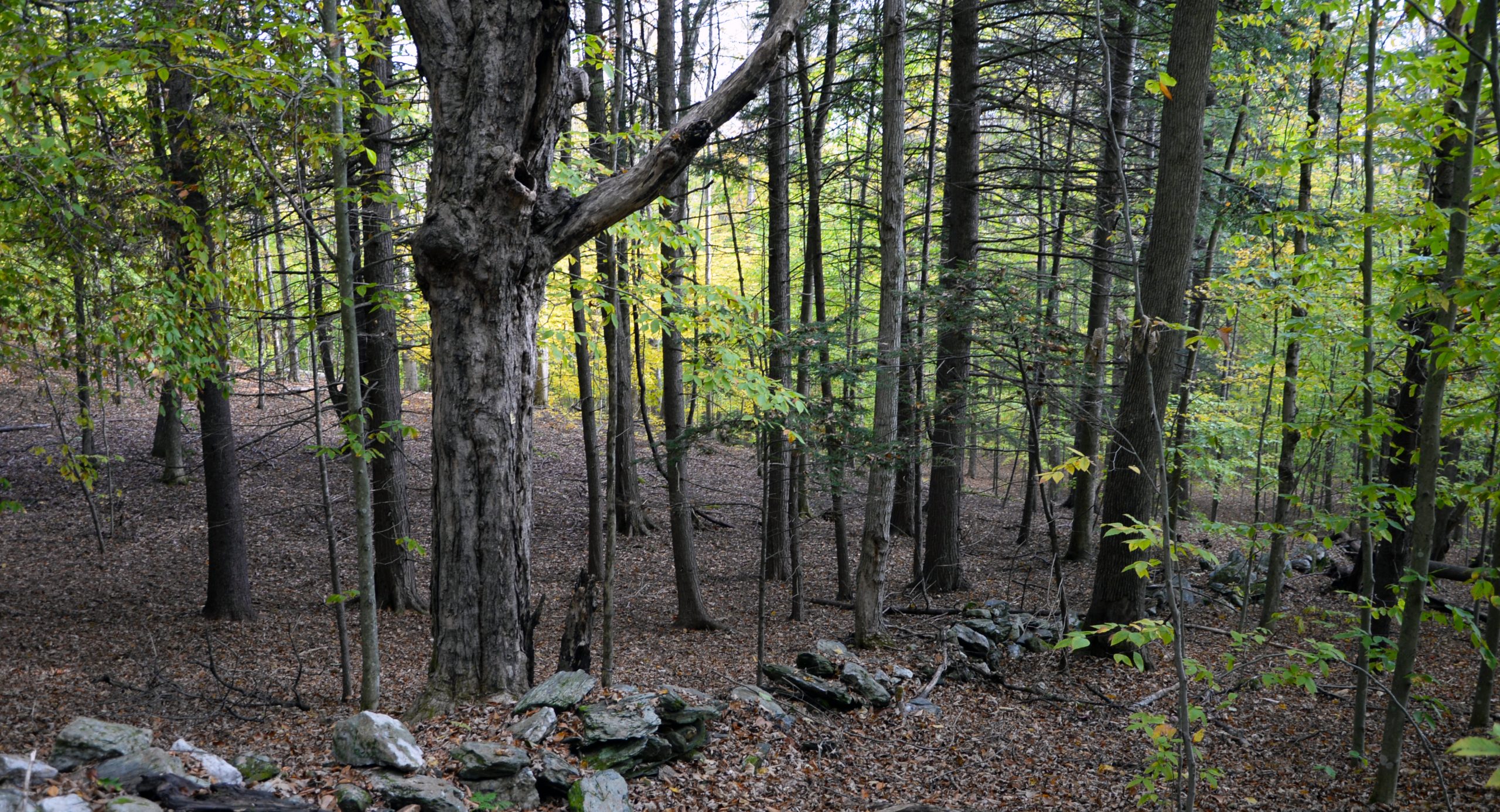
Vermont is the fourth most forested state in the U.S, and its forests are central to its identity and economy. Conserving them for the future should be a priority for every resident. That’s why the bill, which now awaits final action from Congress, deserves support from Vermonters and their elected representatives.
At its core, this bipartisan bill is about making it easier to actively manage forests. For too long, well-intentioned but cumbersome federal processes have slowed or blocked projects designed to reduce fuel loads, improve forest health, and make landscapes more resilient. The result is forests that are increasingly vulnerable—not just to wildfire, but to disease, storm damage, and long-term decline.
The Fix Our Forests Act promotes practices like thinning and sustainable harvesting that foresters widely agree are essential to maintaining healthy, resilient forests. This approach aligns with what many in Vermont’s forestry community have long understood: active management is not the enemy of conservation; it is a cornerstone of it.
Importantly, the bill also reflects a growing national recognition that wildfire prevention is not just a Western United States issue. While Vermont’s forests are different in composition and climate, underlying principles of forest management still apply: forests that are actively managed are more resilient to disturbance. And as weather patterns shift and drought conditions become more common in the Northeast, proactive steps today can prevent larger problems tomorrow.
Senator Welch did not approach this legislation lightly. He raised valid concerns that many Vermonters share about maintaining environmental safeguards. But rather than standing on the sidelines, he chose a more pragmatic path: engage with the bill, move it forward, and work to improve it.
In doing so, he acknowledged an important reality. Perfect should not become the enemy of progress—especially when the stakes include the long-term health of our forests and the economic health of the rural communities that depend on them.
By supporting the bill at the committee level, Senator Welch has positioned himself to help shape its final form and ensure both environmental and economic interests are protected.
The forest products industry remains a vital part of Vermont’s rural landscape. Logging contractors, truckers, mills, and small businesses form a supply chain that supports jobs, keeps working lands intact, and contributes to local tax bases. These are not abstract benefits, they directly support many communities across the state.
Active forest management, including responsible timber harvesting, plays a direct role in sustaining this sector. When markets for wood products are strong and management is encouraged, landowners are more likely to keep their land as forest rather than selling it for development. That, in turn, preserves wildlife habitat, recreational opportunities, and the scenic character Vermonters value.
Policies like those contained in the Fix Our Forests Act can help support this cycle by removing unnecessary barriers to management while maintaining appropriate safeguards. By making it easier to carry out well-planned projects, the bill supports both forest health and economic stability.
No single piece of legislation can fully address the complex challenges facing our forests, but the Fix Our Forests Act represents a meaningful step toward a more common-sense, balanced approach that prevents the loss of forests to fire and development while maintaining their health and economic value.
Senator Welch’s vote reflects an understanding of this balance. By choosing engagement over opposition, he has helped move the conversation forward in a constructive way. Thank you, Senator, for your efforts on this issue and for your willingness to seek the best solution for all Vermonters.
Read the Op-Ed online in the Times Argus newspaper HERE