Innovation Starts in the Woods
The University of Maine’s recent announcement of a $20 million federal investment in Maine’s Forest Bioproducts Advanced Manufacturing Tech Hub is welcome news for Maine’s forest economy.
The initiative aims to accelerate the development of advanced forest products, including innovative building materials, wood-based packaging, and alternative aviation fuels. These investments have the potential to create jobs, strengthen domestic supply chains, and open new opportunities for Maine’s abundant forest resources.
We have been working collectively for the last decade on this vision through the Forest Opportunity Roadmap for Maine (FOR Maine) process and this type of market development initiative is exactly what loggers need. New products and new markets are essential if the forest economy is going to thrive in the decades ahead.
But as excitement grows around the future of forest bioproducts, there is an important question that deserves equal attention:
Who will harvest the wood needed to make that future possible?
The answer may seem obvious today, but it becomes less certain with each market loss the logging sector experiences.
Just days before UMaine’s announcement, Finch Paper in Glens Falls, NY, revealed it would stop producing its own pulp and cease purchasing low-grade wood for that purpose. While the mill is located in eastern New York, its impact reaches across the Northeast. For logging contractors, truckers, and forest landowners, it represents one more loss in a shrinking network of markets that have historically supported responsible forest management.
Unfortunately, this is not an isolated event.
In our most recent Economic Impact Study, logging contractors reported a 40 percent reduction in available wood markets over the last five years. Mills have closed, production has declined, and contractors throughout the Northeast continue to face mounting economic pressures.
Yet many discussions about the future of the forest economy often focus on what happens after the wood reaches a mill or manufacturing facility. Far less attention is paid to the businesses that operate at the beginning of the supply chain.
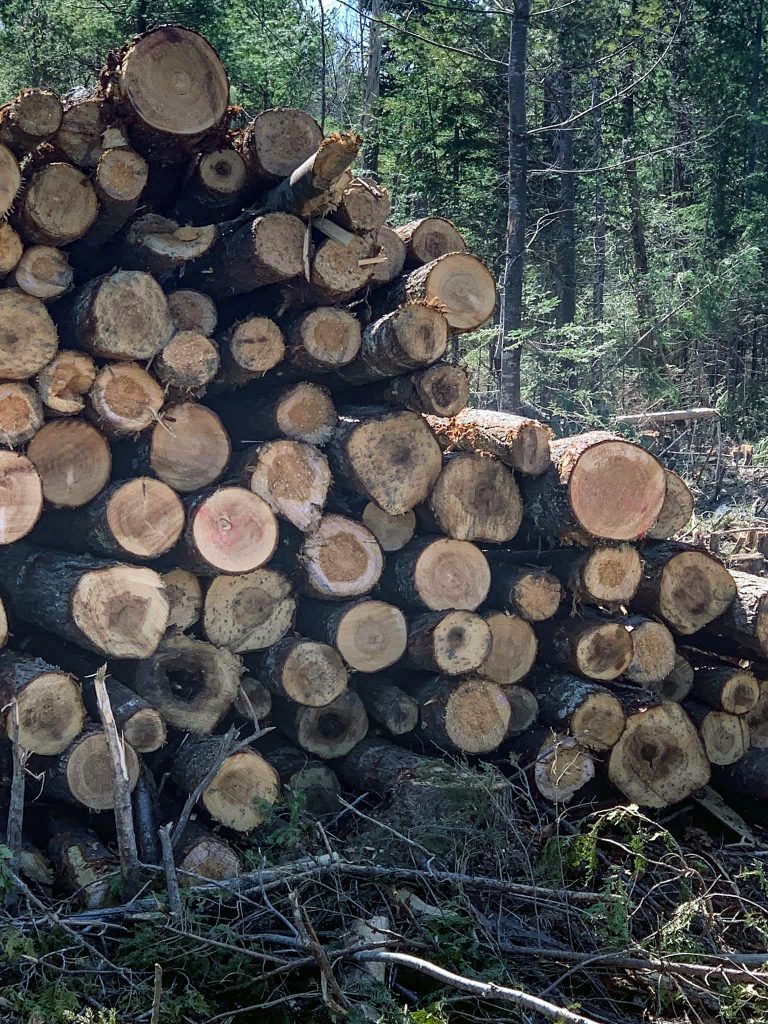
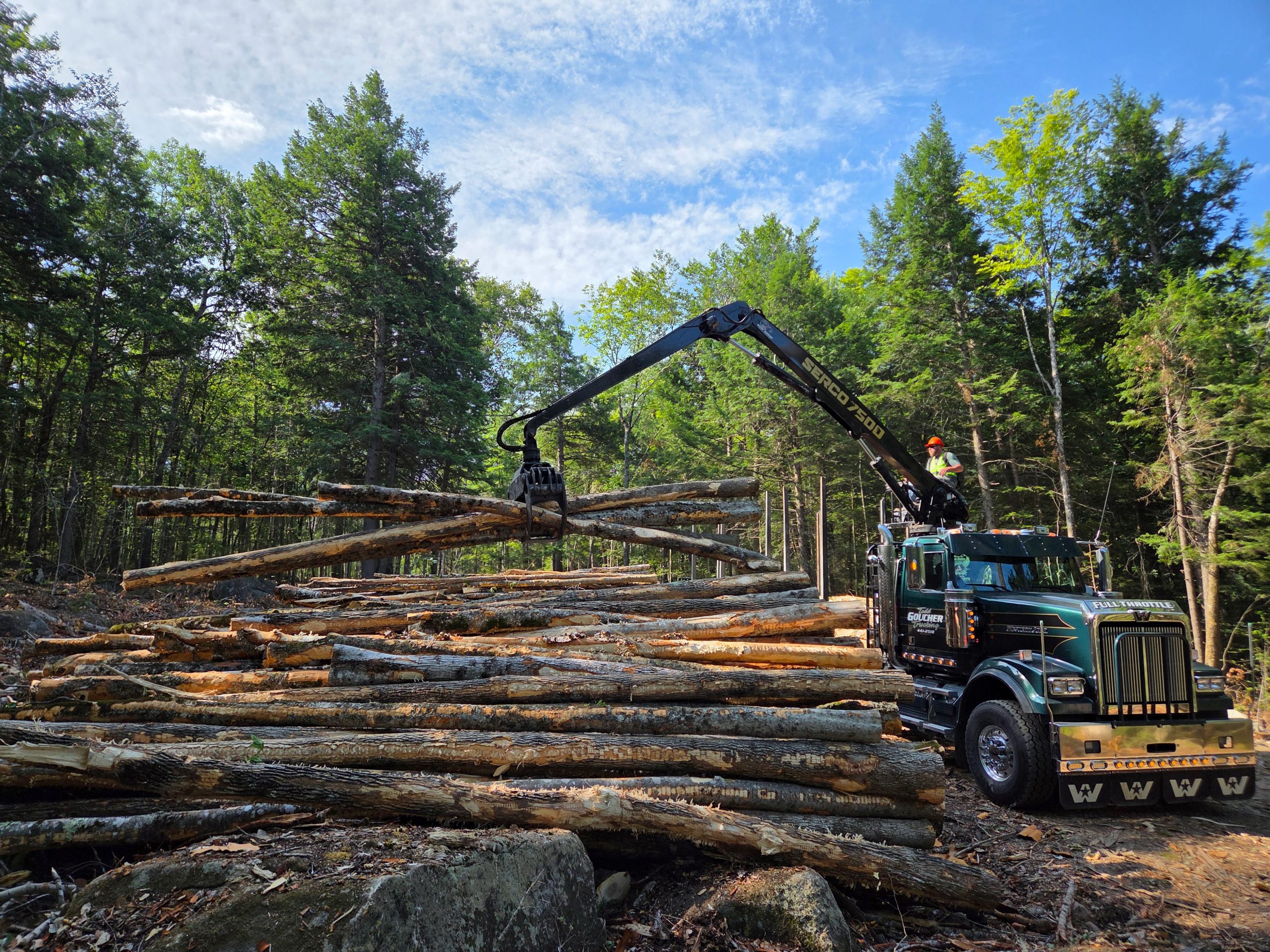
Before there can be advanced packaging materials, mass timber products, or renewable aviation fuels, there must be professional logging contractors capable of harvesting and delivering the raw material.
That workforce and infrastructure should not be taken for granted.
Logging businesses operate in a challenging environment characterized by rising equipment costs, increasing insurance expenses, workforce shortages, and volatile markets. Many are family-owned businesses that have spent generations developing the expertise, equipment, and workforce needed to responsibly manage forest resources.
When markets disappear, the consequences extend beyond individual businesses.
Low-grade wood markets play an essential role in modern forestry. They create value for material that cannot be used for lumber or other higher-grade products, making it economically possible to conduct thinning operations and other forest management practices that improve long-term forest health.
Without viable markets for that material, responsible forest management becomes increasingly difficult.
This is why the conversation around market sustainability must also include the sustainability of the logging sector itself.
Healthy forests require healthy logging businesses.
The same forests that researchers and entrepreneurs see as the foundation for future bio-based products are the forests that logging contractors manage every day. If contractors continue to leave the industry because markets are insufficient to support their operations, the entire supply chain becomes vulnerable.
That reality presents a challenge for policymakers, researchers, and industry leaders alike.
Investments in innovation are important. Investments in market development are important. Investments in workforce development are important.
But so is understanding the economic health of the logging industry that supplies the raw material for every one of those opportunities.
As new markets emerge and technologies advance, there should be an equally urgent conversation about preserving harvesting capacity, supporting logging businesses, and researching new technological advances that could lower cost and increase productivity, to ensure contractors can remain financially viable long enough to benefit from future opportunities.
The forest economy cannot function without every link in the chain.
The University of Maine’s Tech Hub represents an exciting step forward, and it has the potential to create significant opportunities for the region. The logging community hopes it succeeds.
At the same time, the recent Finch Paper announcement serves as a reminder that while we are investing in the forest products of tomorrow, we must also pay attention to the challenges facing the people who supply the wood today.
Because the future of Maine’s forest economy will depend on more than innovation alone.
It will depend on maintaining the skilled businesses and infrastructure that make innovation possible.
The future of forest products doesn’t begin in a laboratory, a biorefinery, or a manufacturing plant. It begins in the woods.