Five Weeks After Finch: The Questions We Should Be Asking
Five weeks have passed since Finch Paper announced it would end pulp production at its Glens Falls facility and begin sourcing pulp from outside suppliers. For generations, independent logging contractors supplied the mill with pulpwood harvested from forests across the Northeast. Historically, between 55 and 60 log trucks arrived at the mill each day, totaling roughly 20,000 truckloads per year. Today, contractors, truckers, landowners, and forestry professionals are left asking what happens to that wood, and the businesses that depend on those markets, now that those deliveries are no longer needed.
Since then, much of the conversation has focused on the mill itself.
But across the Northeast, loggers, truckers, landowners, and forestry professionals have been asking a different question: What happens now?
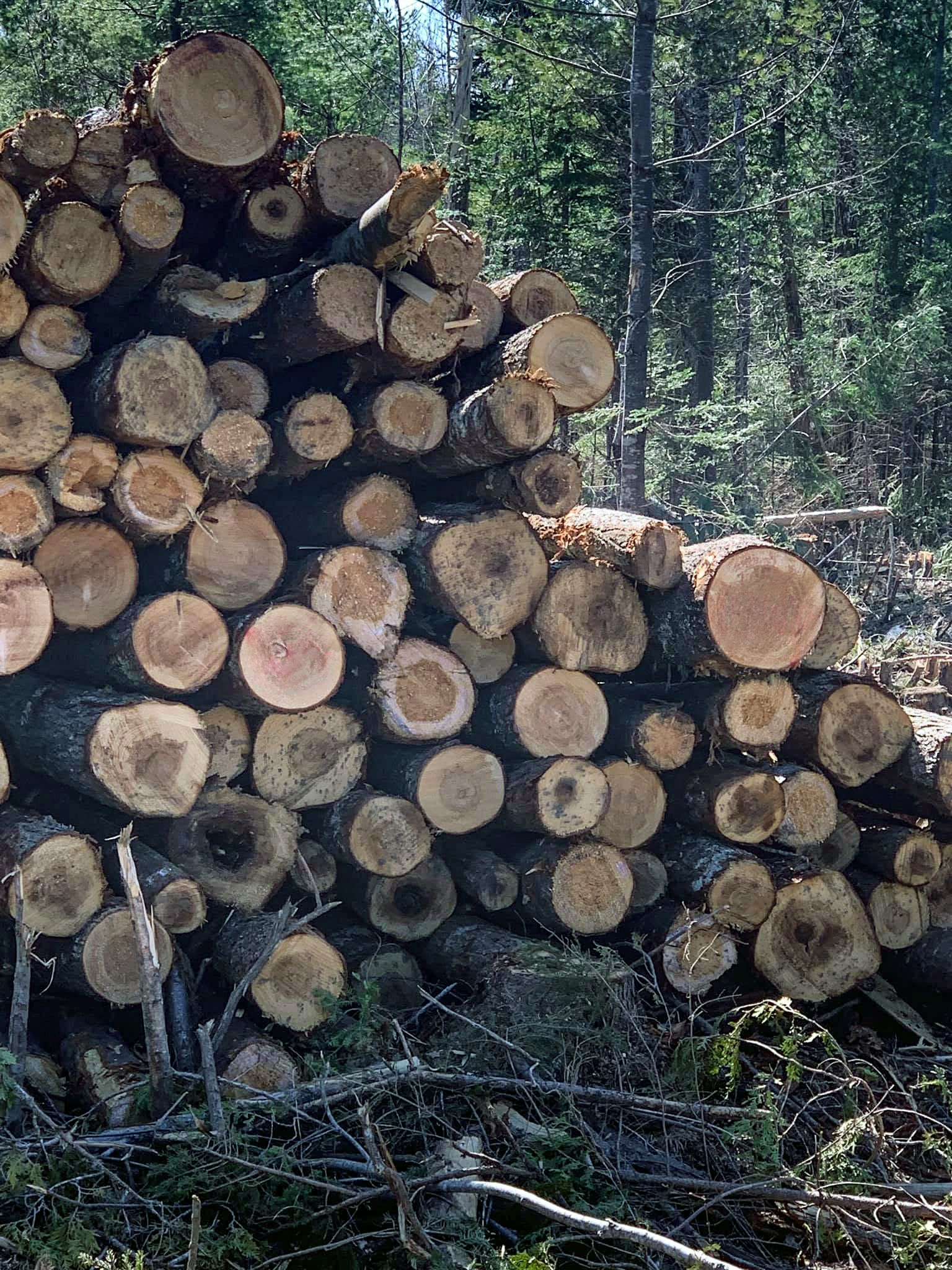
Pulpwood is often misunderstood. It isn’t simply the “leftovers” from a harvest; it is actually the majority of the volume that is harvested.
Pulpwood comes from the crooked, rotted or undesirable species removed during thinning that aren’t worthy of becoming lumber. It is the material that has historically supplied paper production, packaging, tissue products, or biomass energy facilities. As mentioned previously, it represents the majority of the volume that comes off a logging job.
Without a market for that wood, the economics of harvesting change dramatically.
A logger cannot survive by selling only the best logs. A healthy forest cannot be managed by removing only the most valuable trees. The entire system depends on markets for every product that comes from the harvest.
That is why the Finch announcement has sent shockwaves through the logging community.
The concern isn’t simply about one mill.
It’s about what happens when contractors lose another market after years of market contraction throughout the Northeast.
It’s about what happens when logging businesses that have operated for generations begin parking equipment because there is nowhere to send the wood.
It’s about what happens when the next generation looks at the industry and decides there is no future in it.
And it raises a larger question that should concern all of us.
At a time when policymakers are discussing housing shortages, affordability challenges, renewable energy, and domestic manufacturing, where exactly do we think forest products come from?
This week, headlines focused on the potential impact Canadian tariffs could have on building materials and housing costs. Concerns were raised about the availability of lumber, plywood, fiberboard, and other wood products that Americans rely on every day.
Yet at the same time, we continue to lose the infrastructure and markets that support domestic timber harvesting and forest product manufacturing.
That should give us pause.
Because if we lose loggers, we don’t simply lose logging.
We lose the workforce that supplies raw materials for countless products Americans depend on every day. We lose small businesses that support rural communities. We lose the contractors who help landowners actively manage their forests.
And eventually, we lose options.
The forestry sector has never been about one product or one mill. It has always been about utilizing the entire resource.
For decades, markets existed for sawlogs, pulpwood, biomass, and residual wood fiber. Every piece played a role in keeping the system functioning. Today, that system is under attack.
Five weeks after the Finch announcement, the biggest question may not be what happens to one company.
The bigger question is what happens when we continue to lose the markets, infrastructure, and workforce needed to produce wood here at home.
Because once a logger leaves the industry, replacing them is far more difficult than replacing a market.
And that is a challenge the entire Northeast should be concerned with.