What Maine, Vermont, and New York Can Teach Us About the Future of Forest Products
When most people think about forest products, they think about lumber, paper, and firewood. Those products remain important, but they are no longer the whole story.
Across the Northeast, innovators are finding new ways to create value from low grade wood fiber and timber harvest residuals. Materials that once had significant markets in paper and electricity production are now being transformed into insulation, renewable thermal energy, sustainable packaging, advanced manufacturing products, and biofuel.
The future of the forest economy will not be built around a single product or market. It will be built on finding new value in every part of the tree.
Maine: Creating New Markets for Wood Fiber
Maine’s forests have long supported traditional industries, but some of today’s most exciting developments are happening beyond lumber and paper.
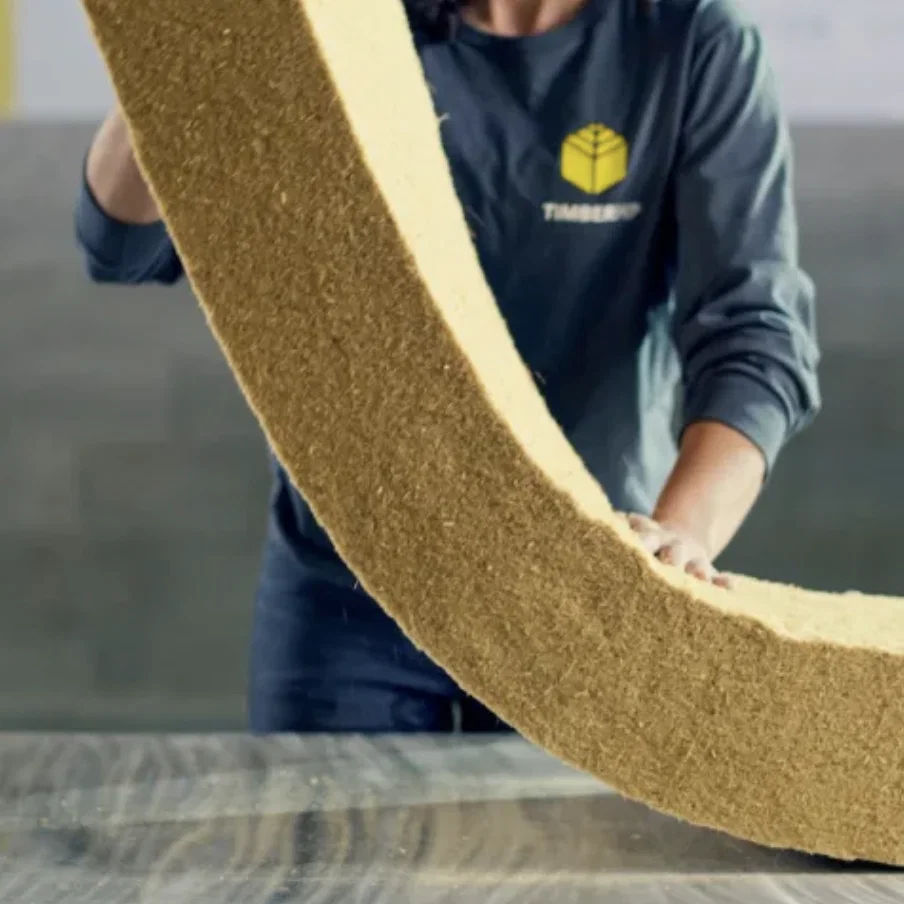
In Madison, TimberHP is manufacturing wood-fiber insulation from residual wood chips, creating a new market for Maine wood fiber. Tanbark Molded Fiber Products is replacing petroleum-based packaging with renewable fiber alternatives, while companies such as Biofine are demonstrating the potential of biomass as a feedstock for advanced biofuel development.
Innovation extends beyond products. Biomass and combined heat and power projects at Athens Energy/Maine Woods Pellet, and Robbins Lumber are creating value from low-grade wood and forest residuals, supporting jobs, forest management, and rural economies.
Together, these businesses are proving that Maine’s forests can provide far more than traditional forest products.
Vermont: Showing What’s Possible
While Maine is creating new markets for wood fiber, Vermont is also demonstrating what can happen when a state fully embraces wood as a renewable energy resource.
Wood provides approximately 25.5% of Vermont’s total thermal energy, making it one of the state’s most significant renewable resources.
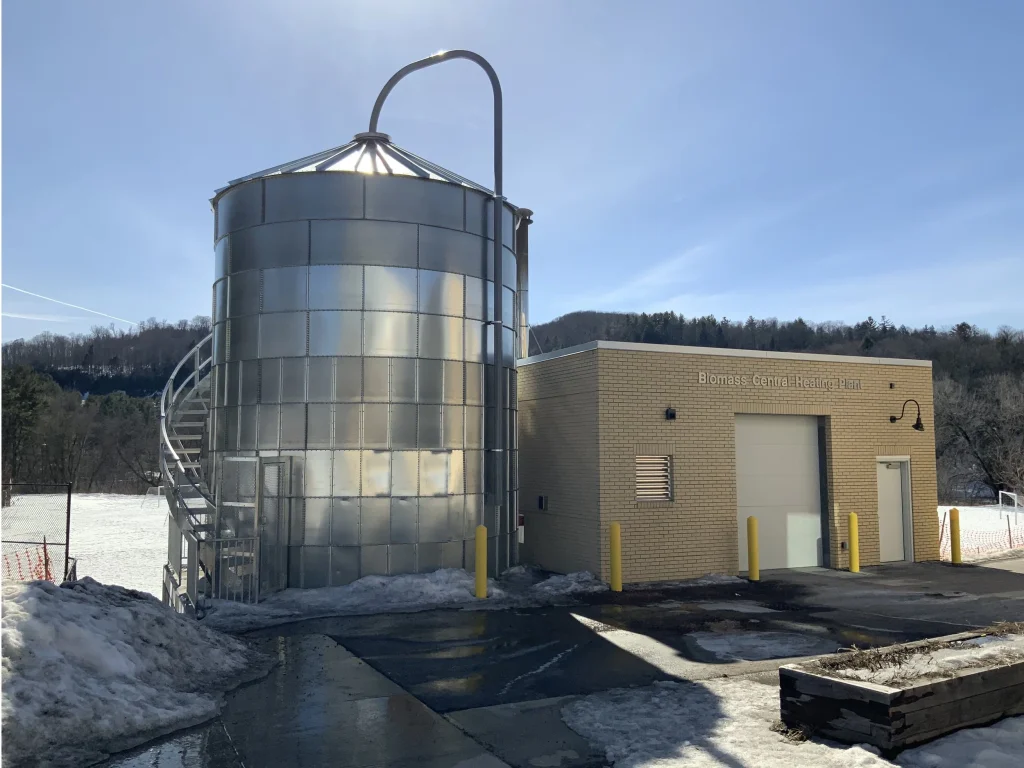
Communities across Vermont are putting that resource to work. At St. Johnsbury School, a modern wood-chip heating system reportedly saves $80,000 to $90,000 annually compared to heating with oil. At National Life Group, wood-chip boilers help provide long-term energy cost stability while supporting local suppliers and the regional forest economy.
Vermont’s innovation extends beyond thermal energy. In Lyndonville, Vermont Renewable Gas is developing a renewable energy project that would convert sustainably sourced biomass and agricultural residuals into renewable energy and biochar. While still moving through the approval process, the project reflects Vermont’s willingness to explore emerging markets for low-grade wood and other underutilized forest resources, creating additional opportunities to support forest management, rural economies, and renewable energy production.
Vermont’s lesson is simple: wood energy is not just energy policy. It is economic development, workforce development, and forest management all at once.
Looking to the Future
New opportunities are emerging throughout the Northeast.
In New York, Loa Carbon has proposed using existing woodyard infrastructure and regional wood supply networks to produce renewable natural gas from wood fiber. Whether or not a specific project moves forward, the concept reflects an important shift in thinking: existing forest industry infrastructure can support entirely new markets and energy technologies.
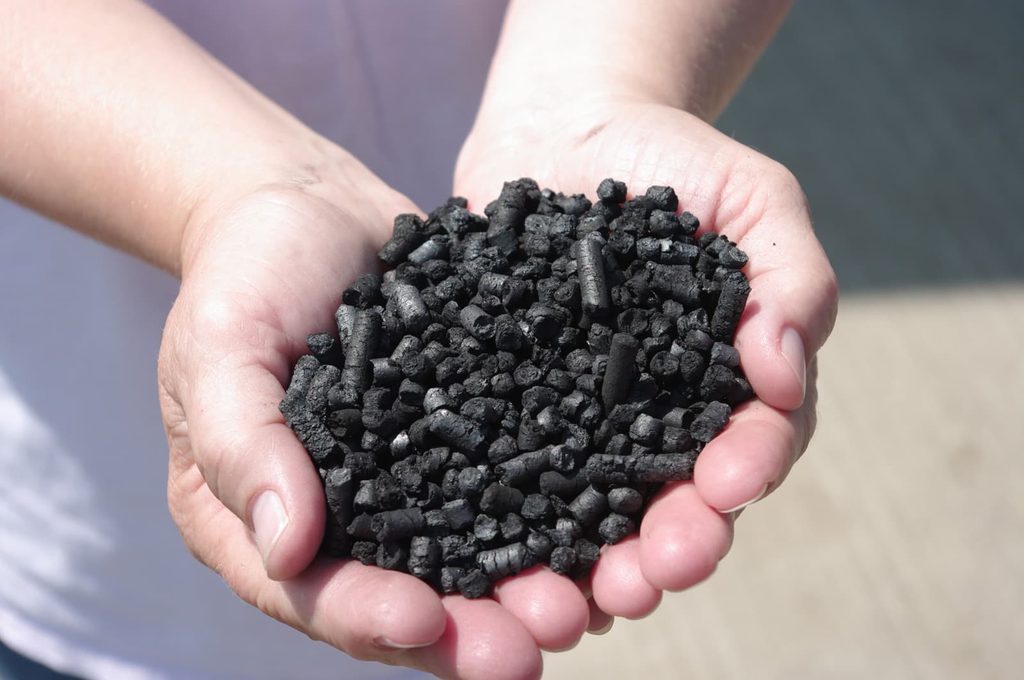
That mindset may be one of the most important drivers of the forest economy’s future.
A Stronger Forest Economy
The common thread across all of these examples is market diversity.
A sawlog becomes lumber.
A wood chip becomes insulation or packaging
Low grade wood, treetops and limbs become thermal energy electricity, renewable fuels, or new products still being developed.
The more ways we can utilize forest resources, the stronger and more resilient the forests and the forest economy becomes.
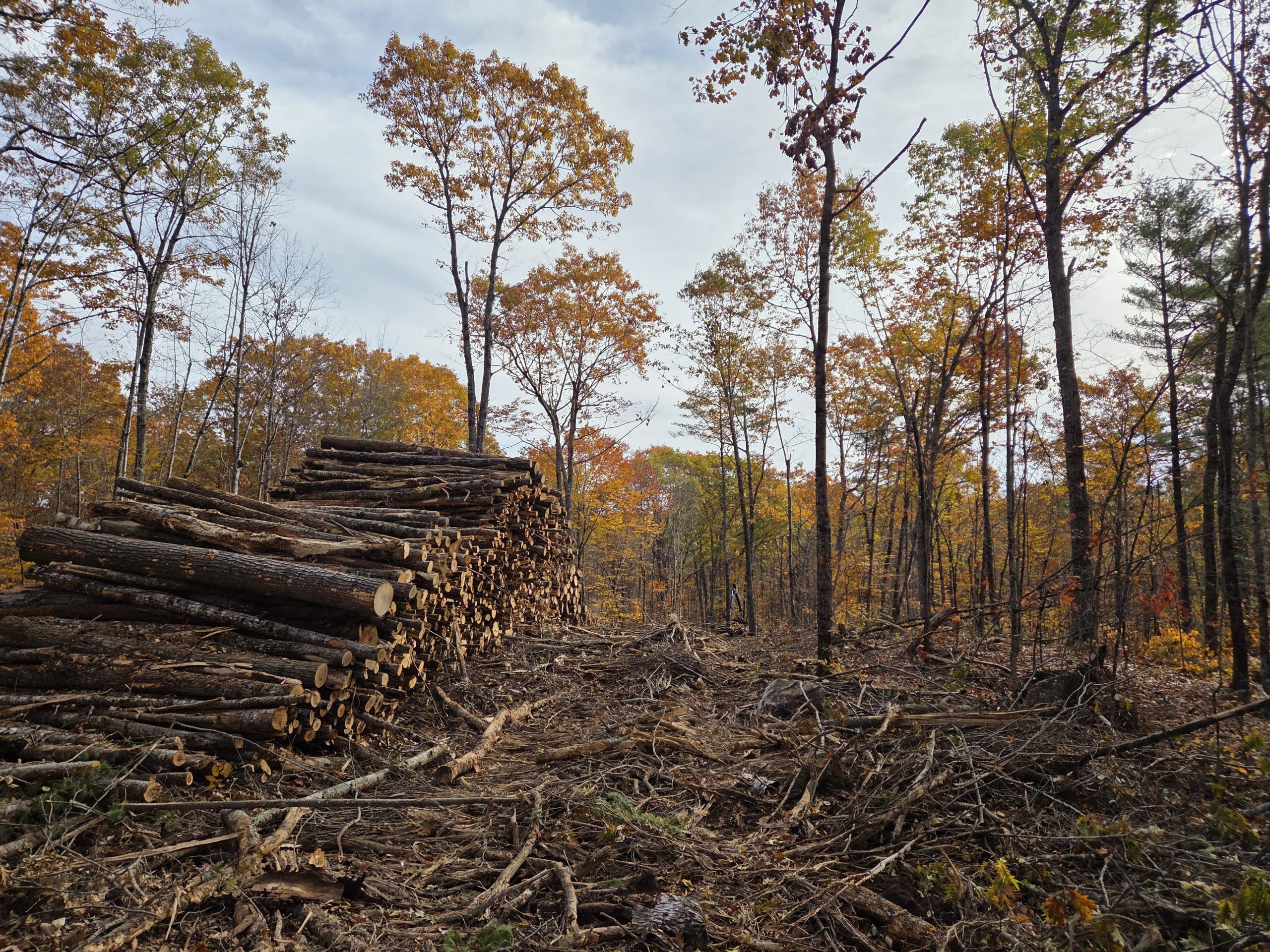
None of It Happens Without Loggers
Every success story highlighted here starts in the same place: a well-managed forest.
The insulation produced by TimberHP. The packaging manufactured by Tanbark. The renewable heat and electricity powering schools and businesses throughout the region.
None of it exists without a sustainable supply of wood fiber.
And there is no sustainable supply of wood fiber without loggers.
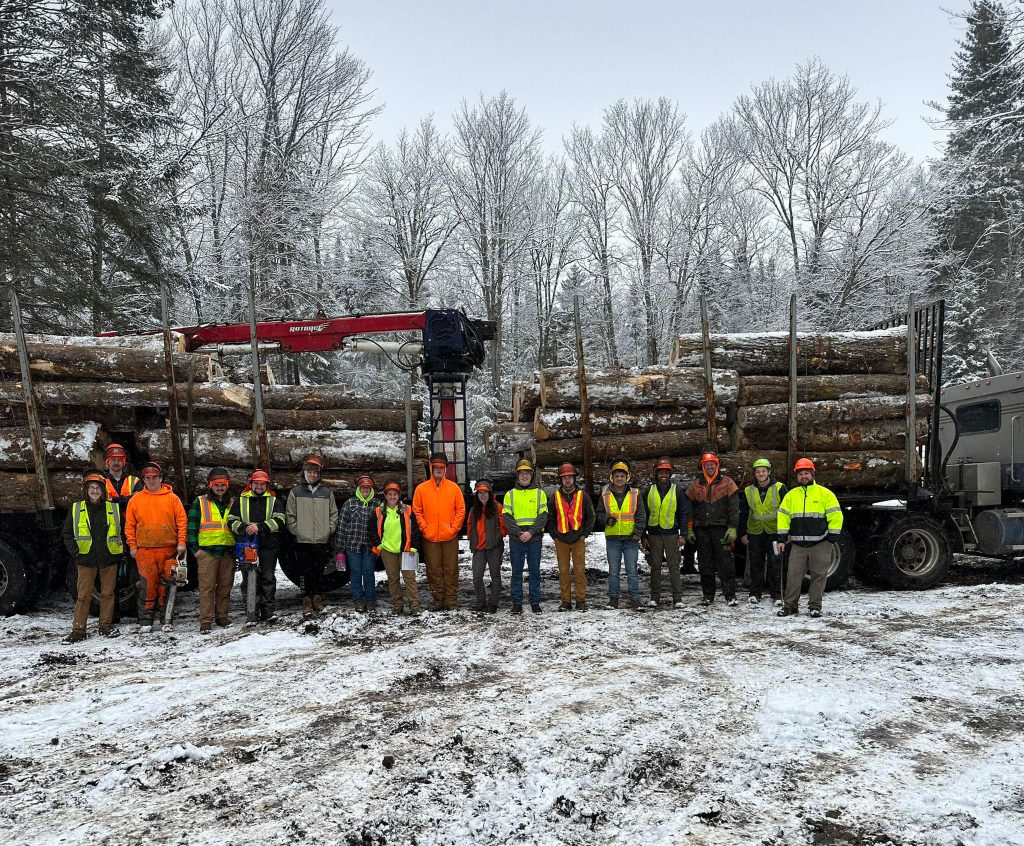
Professional logging contractors are the foundation of the forest economy, providing the renewable resource that supports every sector of the industry. If we want healthy forests, innovative products, renewable energy, and strong rural economies, we need a strong logging workforce.
The Future Starts in the Woods
The good news is that we do not have to imagine what success looks like.
We can already see it.
Maine is creating innovative new products and markets from wood fiber. New York is exploring new opportunities for traditional forest resources. Vermont is demonstrating how renewable wood energy can power communities at scale.
Together, they offer a roadmap for the future.
For Maine, the opportunity is especially significant. As the most heavily forested state in the nation, we have the resource, the expertise, and the innovative businesses needed to lead. We also have an opportunity to learn from Vermont’s success by expanding markets for biomass and renewable thermal energy.
The resource is here.
The innovation is here.
The opportunity is here.
Now we need the vision to match it.
Because every innovative product, every renewable energy project, and every new market begins in the same place: The woods.